
The U.S. Food and Drug Administration (FDA) has issued guidances for medical product developers, specifically covering vaccines, diagnostics and therapeutics products, to address the emergence and potential future emergence of variants of SARS-CoV-2, the virus that causes COVID-19.
“The FDA is committed to identifying efficient ways to modify medical products that either are in the pipeline or have been authorized for emergency use to address emerging variants,” said Acting FDA Commissioner Janet Woodcock, M.D. “We know the country is eager to return to a new normal and the emergence of the virus variants raises new concerns about the performance of these products. By issuing these guidances, we want the American public to know that we are using every tool in our toolbox to fight this pandemic, including pivoting as the virus adapts. We need to arm health care providers with the best available diagnostics, therapeutics and vaccines to fight this virus. We remain committed to getting these life-saving products to the frontlines.”
The FDA has anticipated the possible emergence of SARS-CoV-2 variants and has already been prepared to address changes in the virus, informed by the agency’s experience with evolving infectious diseases, such as influenza and HIV. While the FDA has already been communicating with individual medical product sponsors to provide information and scientific advice as they evaluate the impact of SARS-CoV-2 variants on their products, in the spirit of transparency and to continue to encourage public input on this important topic, the agency published this suite of guidances.
As with any evolving situation, the FDA will be continuously monitoring the situation and updating its plans as more information becomes available. The agency is committed to communicating with the public as the FDA determines the best paths forward. The FDA urges Americans to continue to get tested, get their vaccines to prevent COVID-19 and follow important health measures—wash your hands, wear a mask and maintain social distance.
Vaccines
The FDA updated its October 2020 guidance, Emergency Use Authorization for Vaccines to Prevent COVID-19, to provide recommendations to vaccine developers, including those who have already received emergency use authorization (EUA) for their COVID-19 vaccines and are seeking to amend their EUA to address new variants. At this time, available information suggests that the FDA-authorized vaccines remain effective in protecting the American public against currently circulating strains of SARS-CoV-2. However, if there is an emergence of SARS-CoV-2 variant(s) in the U.S. that are moderately or fully resistant to the antibody response elicited by the current generation of COVID-19 vaccines, it may be necessary to tailor the vaccines to the variant(s).
The updated guidance outlines the FDA’s scientific recommendations for modifications to authorized vaccines. For example, the FDA expects that manufacturing information will remain generally the same for an authorized vaccine and a modified vaccine candidate from the same manufacturer. For clinical data, the guidance recommends that a determination of effectiveness be supported by data from clinical immunogenicity studies, which would compare a recipient’s immune response to virus variants induced by the modified vaccine against the immune response to the authorized vaccine. Manufacturers are also encouraged to study the modified vaccine in both naïve (non-vaccinated) individuals and in individuals previously vaccinated with the authorized vaccine. Additionally, the guidance outlines the FDA’s recommendations for assessments of safety to support an EUA for a modified vaccine. Finally, the guidance states that further discussions will be necessary to decide whether in the future, modified COVID-19 vaccines may be authorized without the need for clinical studies.
COVID-19 Tests
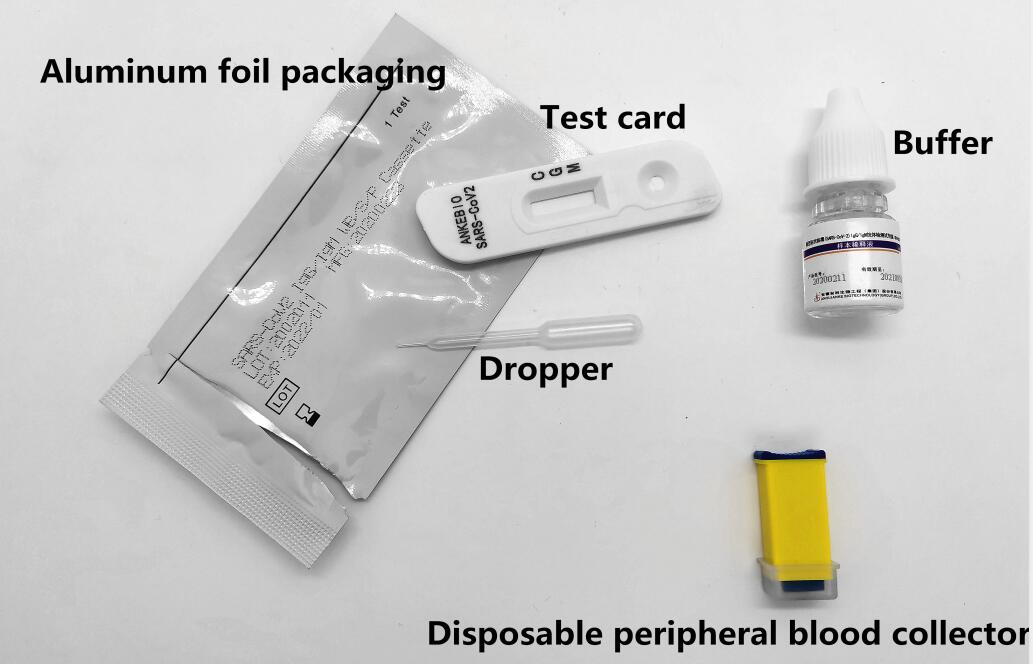
The FDA issued a new guidance for test developers, Policy for Evaluating Impact of Viral Mutations on COVID-19 Tests. The guidance provides information on evaluating the potential impact of emerging and future viral genetic mutations, which may be the basis of viral variants, on COVID-19 tests, including design considera...
































 (All Rights Reserved)