

Introduction
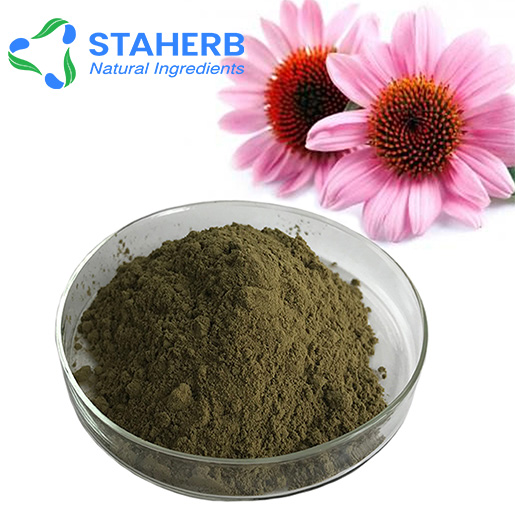
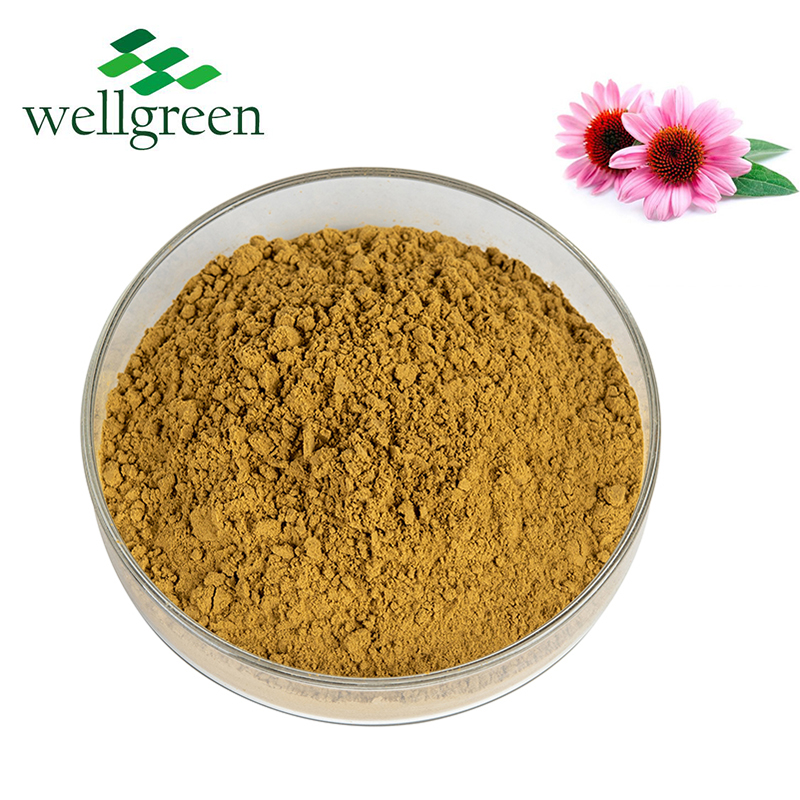
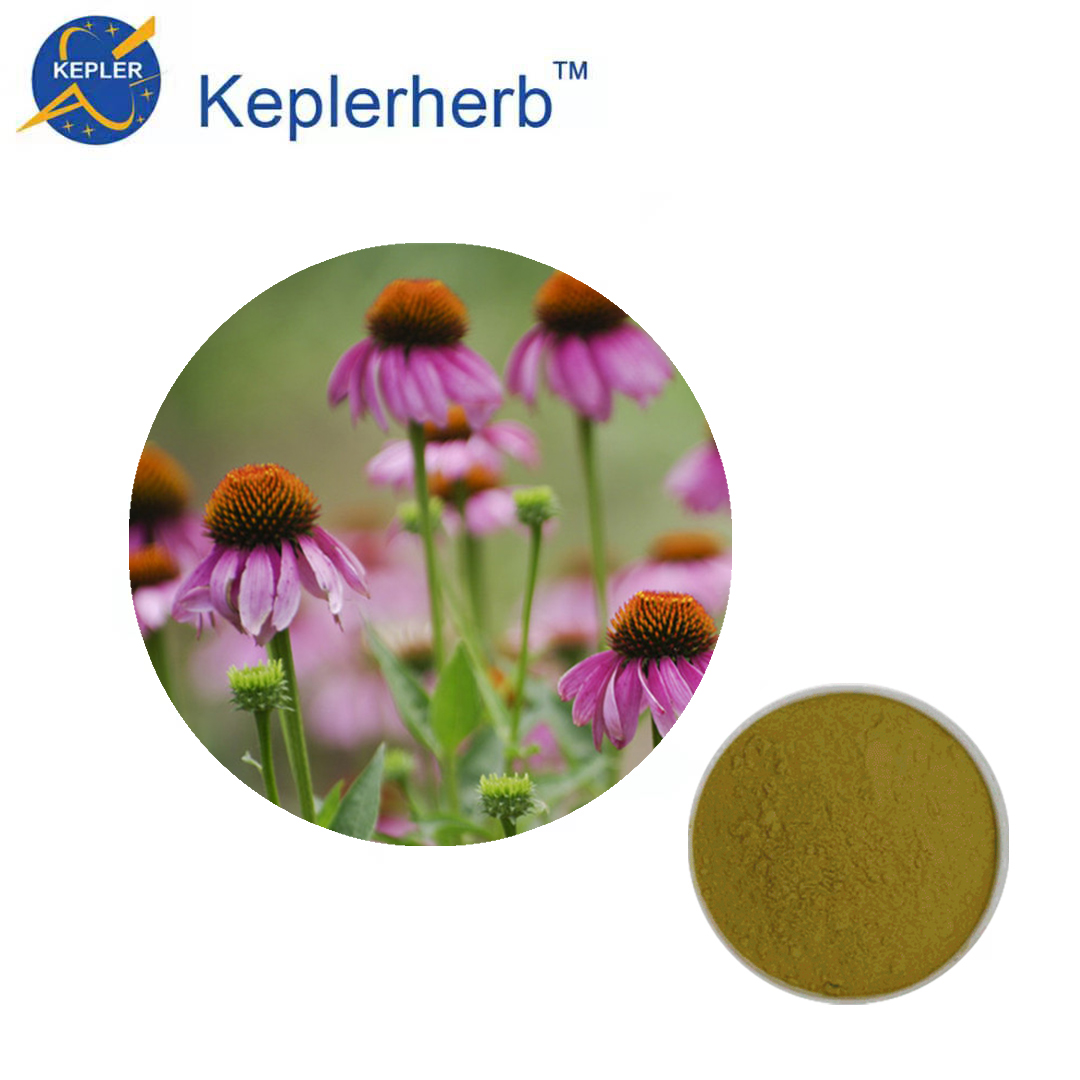
Echinacea, or purple coneflower, is a flowering plant with nine species native to North America. [Ng, 2023] This herb, known for its brilliant purple petals and cone-shaped core, has been used for generations for medicinal purposes, primarily by Native American cultures. Echinacea preparations are made from three of the nine species: E. purpurea, E. angustifolia, E. pallida, and E. paradoxa. [Kligler, 2023] [Ahmadi, 2024] In recent years, Echinacea has grown in popularity as a herbal supplement with supposed immune-boosting, anti-inflammatory, and general wellbeing effects. This article investigates the medicinal potential and traditional usage of Echinacea extracts, focusing on its significance in both historical traditions and modern health applications.
Historical and Cultural Significance
Echinacea has a long history of usage in Native American medicine, where it was particularly useful for healing infections, wounds, and snakebites. Tribes like the Sioux and Cheyenne employed Echinacea as a multipurpose medicine that was thought to boost the body's resistance to a range of illnesses. [Kindscher, 2016] In his book "The American Dispensatory" in 1852, John King addressed Echinacea, adding that Black Sampson, as it was known, had been used with great success in syphilis. Prior to the availability of antibiotics, it was used to treat colds, flu, respiratory infections, and as an immunological booster. [Drisko, 2016] Today, Echinacea is still commonly used as an immune-boosting herb for colds, flu, and COVID-19. Furthermore, topical formulations have been created to promote skin health and healing. [Yotsawimonwat, 2010]
Chemical Composition
Numerous bioactive substances found in echinacea contribute to its many health advantages. These substances consist of flavonoids, phenolic acids, alkamides, and polysaccharides. Every component has a distinct physiological impact, ranging from antioxidant and anti-inflammatory properties to immunological regulation.
1. The activity of the immune system is modified by Echinacea polysaccharides. Echinacea contains polysaccharides such as echinacoside that have been demonstrated to increase macrophage activity, aiding the body's fight against infections. [Luettig, 1989] [Ahmadi] The mechanism may be via production of the interleukin IL-6 and tumor necrosis factor TNF-α. [Vieira, 2024] Echinacea polysaccharides also include Arabinogalactan, xylogalacturonan, and rhamnogalacturonan, which stimulate immune response and have anti-inflammatory properties. [Luettig, 1989]
2. Alkamides are fatty acid-derived molecules renowned for their anti-inflammatory and immune-modulating properties. These molecules, such as Dodeca-2E,4E,8Z,10E/Z-tetraenoic acid isobutylamide and others, have been demonstrated to control cytokine activity, hence lowering inflammation and improving immunological responses. [Woelkart, 2007]
3. Caffeic acid derivatives such as chicoric and caftaric acids, as well as the antioxidants ferulic acid and chlorogenic acid, are examples of phenolic acids. Phenolic acids help to neutralize free radicals, lowering oxidative stress and perhaps reducing cellular damage associated with aging.
Chicoric acid has several potential physiological functions, including simulating growth promoters, antioxidant, anti-diabetic, anti-inflammatory, anti-HIV, anti-bacterial, hypoglycaemic and hepatocyte protective properties. [Saeed, 2018]
4. Echinacea contains flavonoids such as quercetin, and kaempferol. [Ahmadi, 2024] Known for their antioxidant qualities, flavonoids help support cellular health and immunity by reducing inflammation and protecting cells from damage.
Because of its high concentration of bioactive chemicals, Echinacea extract is accessible in a variety of forms, including capsules, tinctures, teas, and topical lotions. [Robinson, 2022] These forms provide versatility in administration and dose, responding to a variety of health demands.
Immune Health Support
The immune-boosting properties of Echinacea are among its most researched and well-known attributes. Echinacea's polysaccharides and alkamides work synergisti...






























 (All Rights Reserved)