

More than half of the world’s population takes at least one medication daily, but the safety and efficacy data from clinical trials isn’t always fully reflected in real world use. One of the causes of this is non-adherence, where patients don’t take their medications as prescribed, either intentionally or unintentionally. Patients not taking their medications as prescribed isn’t a recent issue. Hippocrates, who has been described as the ‘Father of Medicine’, reported it in the 5th century BCE. Reported non-adherence levels in patients who have a number of co-morbid conditions ranges between 44% and 77%. This has significant direct costs (for example wastage, hospitalisations) and indirect costs (loss of work time) that reach into billions of dollars, and results in thousands of cases of preventable disability and death. [1]
Increasing adherence and persistence could have a significant impact on drug spending. A study suggested that increasing drug utilisation by 1% may reduce the spending on healthcare by $3 billion for people enrolled in Medicare and Medicaid in the US. [2]
There are a number of reasons behind low levels of adherence. These include forgetting to take the medication, not fully understanding its importance (particularly in symptomless disorders such as hypertension), anxiety about any associated adverse effects, not believing it to be effective, not being able to afford prescription refills, misunderstanding instructions, having difficulty with packing or administration routes, or being affected by the stigma of using a particular medication. While it’s unlikely that any one intervention will solve non-adherence, one approach is to simplify drug regimens and make the medications easier to handle.
The role of drug delivery in adherence and compliance
In patients with long-term medical conditions, treatment regimens can be complex and involve dosing more than once daily. Fixed-dose combinations and once-daily dosing can simplify drug regimens. For example, dexedrine Spansule (dextroamphetamine), the first controlled-release formulation, was approved in 1952. It releases the drug slowly over 8-10 hours, which reduces dosing from up to four times a day to just once- or twice-daily. By reducing peaks and troughs, it helps to maintain drug levels in the blood at optimal therapeutic levels. [3]
As well as making medication regimens more straightforward, simplifying regimens through fixed dose and/or once daily dosing has been shown to enhance both medication adherence and persistence, and well as improving patient outcomes and saving costs for payers. [4, 5]
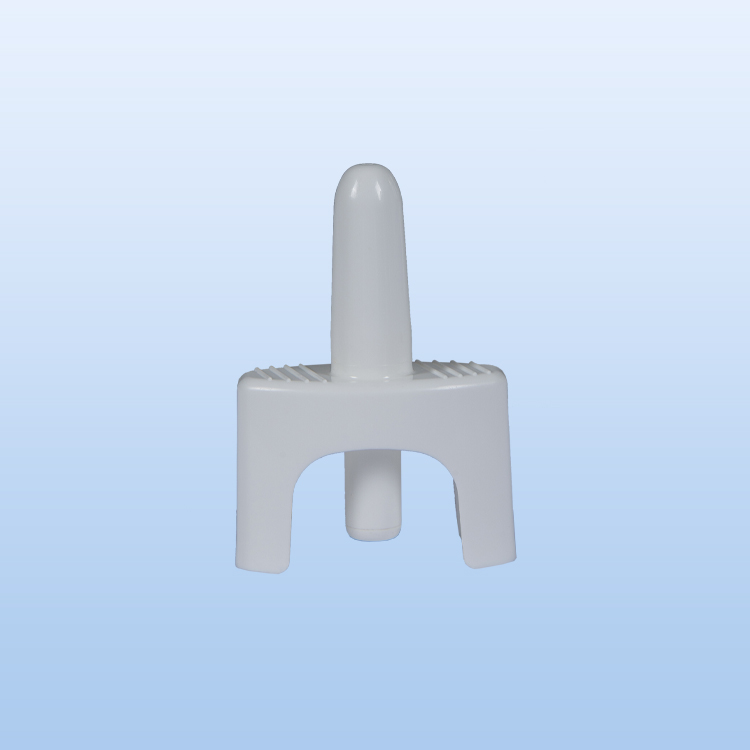
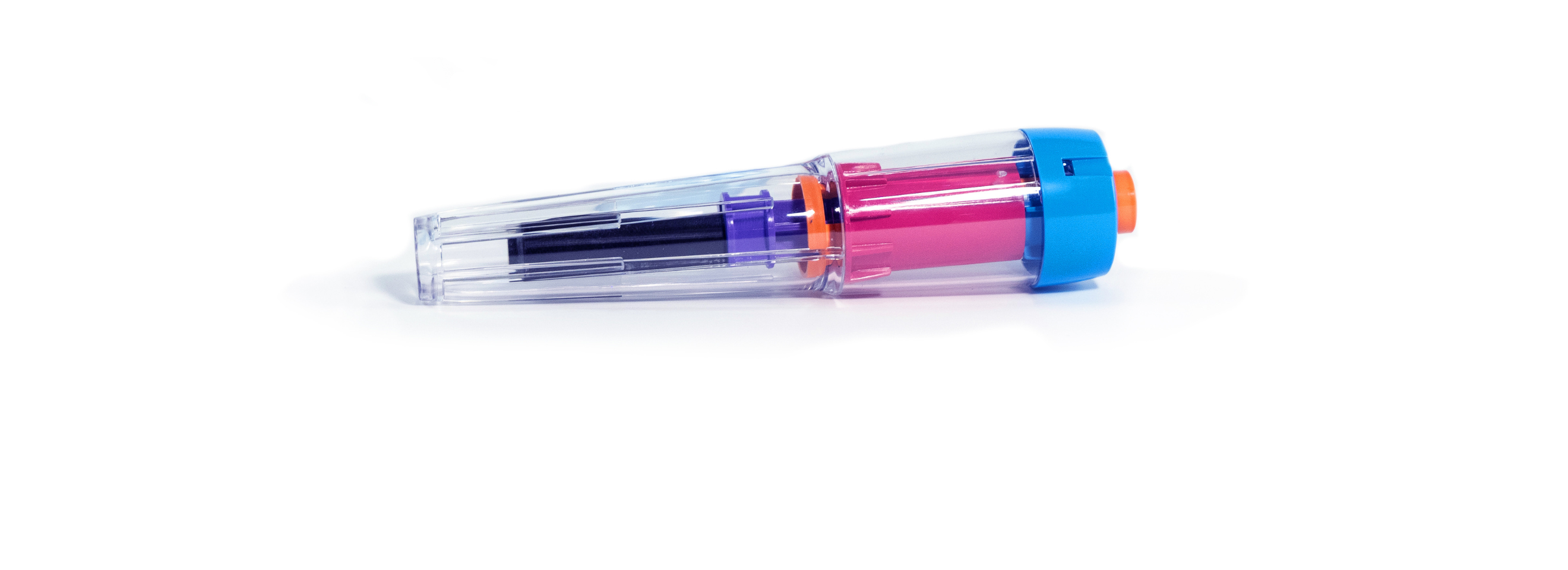
Drug-device combinations (DDCPs), which combine an active small molecule or biologic drug and a delivery device, provide another way to simplify medication regimens. By allowing self-administration, they also reduce the need for regular hospital or clinic appointments, increasing convenience for patients and carers, and freeing up healthcare professionals for other tasks. DDCPs range from transdermal patches, through prefilled syringes, to implanted delivery pumps that incorporate sensors and deliver drugs (for example insulin) based on the patients’ needs. Drug-device combinations can also be used to monitor adherence, for example Otsuka’s antipsychotic Abilify (aripiprazole) in oral tablet has been approved in combination with an ingestible sensor embedded in the tablet. This digitally records when a patient has taken the tablet by sending a message to a wearable sensor, which is then relayed to a Bluetooth-enabled device such as a mobile phone. Other drug-device combinations targeting adherence include smart insulin pens and smart inhalers. [6, 7]
Developing and manufacturing patient-centric combinations
To ensure uptake, developing the drug-device combination products as patient-centric dosage forms is an important step. The process begins with understanding what patients and carers want from the product and gaining their input on how it can make drug administration easier and more straightforward. Factors to be taken into account in usability studies include the packaging, instructions for use (IFU) and the device, and how these can be adapted to make the device more usable and reduce any errors in administration. [8-11]
Developing a drug...



























 (All Rights Reserved)