

Diagnostic tests by definition are any method used to obtain information of a patient’s clinical condition for healthcare professionals to make an informed clinical decision. Such tests come in many forms which range from simple physical examinations to biopsies that require further laboratory testing. Diagnostic tests are usually performed on patients who show symptoms to a certain condition that would warrant an individual to seek medical attention or a doctor to order such a test.
In the recent COVID-19 pandemic that shook the world in early 2020, the rapid development of diagnostic test kits in identifying a positive COVID-19 case proved to have been essential. Such test kits involve the analysis of the presence of the virus that causes COVID-19 disease known as SARS-CoV-2. This novel virus is responsible for the onset of COVID-19 in a patient, with its name coined due to it characteristic similarities to the SARS coronavirus (SARS-CoV0 that struck a previous epidemic in 2003.
Broadly, there are two types of diagnostic tests used in the detection of the novel coronavirus. They are detection of antibodies as a result of the body’s response to the virus and detection of the presence of the virus through extracting DNA from a biological sample. These samples obtained from the patient could be either a sample from a nose swab, throat swab, saliva sample or blood liquid biopsy.
COVID-19 Nucleic Acid Test
Nucleic acid testing involves the use of methods that will allow the detection of the presence of specific sequences of nucleic acid, DNA or RNA in biological samples. This method uses a process called polymerase chain reaction (PCR) to amplify DNA strands of interest for analysis. The whole process requires changes in temperature over specified times for the replication of DNA strands to occur.
In the nucleic acid diagnostic test for SARS-CoV-2 an extra step of converting the virus’ RNA to DNA is required. This is then known as reverse transcription polymerase chain reaction (RT-PCR). The amplified DNA is then analysed to determine the presence of SARS-CoV-2 in the sample. This entire process usually would take a few hours.
Another form of PCR known as Real-time PCR or quantitative PCR leverages on technological advancements in automation, high-throughput machinery and more robust instruments. In combination with the reverse transcription process, viral nucleic acids can be analysed through real-time RT-PCR. This test can use samples from sputum from nose or throat swabs or saliva.
One such commercially available RT-PCR diagnostic kit was developed by Shenzen-based biotech company BGI group. Its kit identifies the presence of the ORF1ab gene which is responsible for the replication of the novel coronavirus as well as it virulence. The kit was also found to have the lowest limit of detection score among other such kits.
Expanding on the RT-PCR technology, researchers from the National University of Singapore developed a portable microfluidics-based PCR diagnostic system known as Epidax which is able to take samples from nasal swabs and test them on-site. This system uses a microfluidic chip which is able to extract RNA from the virus and be amplified for rapid detection of COVID-19.
Announced recently, in a joint effort by DSO National Laboratories and the Agency for Science, Technology and Research (A*STAR) in Singapore have made progress in the development of its COVID-19 PCR test, the Resolute. With this new test it was demonstrated that the time consuming process of analysis from the PCR machine could be cut down from a few hours to possibly 60 to 90 minutes. With its unique formulation of pre-mixed assay solution the Resolute test kit is set to be and improvement together with its reduced cost.
COVID-19 Antigen Testing
On the surface of a virus are proteins known as antigens which will elicit an immune response when it enters a human body. SARS-CoV-2, the virus responsible for the COVID-19 disease is a...

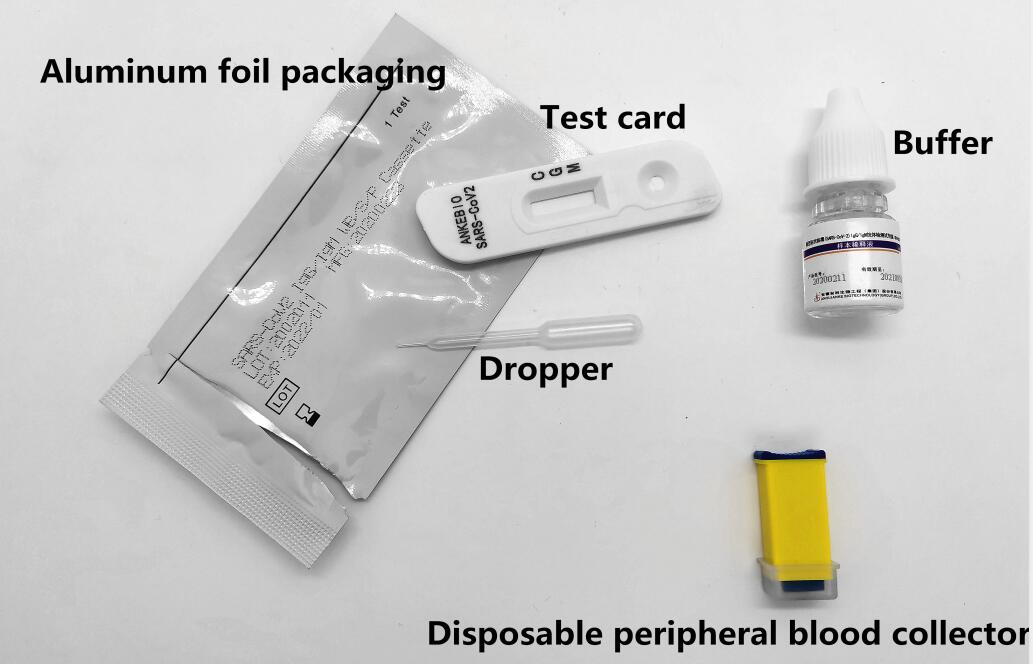
























 (All Rights Reserved)