

The Active Pharmaceutical Ingredient (API) is the most important part of any drug. The API, as the name would suggest, is the chemical part of any capsule or tablet that works on the disease condition or symptom. This means that the API is the backbone of the pharmaceutical industry, booming in its own right, as it provides the ingredients for all kinds of medication. As the world's largest API production and exporting country, China can produce thousands species of chemical raw materials. But what is the state of the API market today? How has it been influenced by the coronavirus pandemic?
The Global API is already a billion-dollar industry and the overall market is estimated to be worth around $246 billion dollars by 2025.(1) The API manufacturers’ productions are influenced by the human cost, materials prices, exchange rate fluctuations and other factors. The major driving factors of Global Active Pharmaceutical Ingredient Market are as follows:
• Growing in healthcare expenditure
• Advancements in the technology of API manufacturing
• Rapidly increase aging population
• Increasing Importance of Generics
• Increase in abbreviated new drug applications (ANDA)
• Growth in Incidence of Chronic Diseases (2)
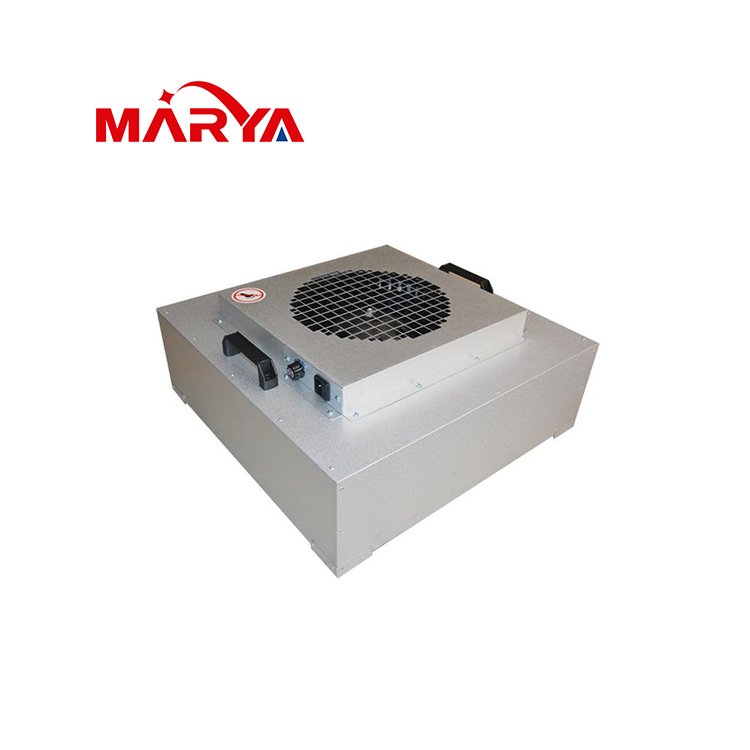
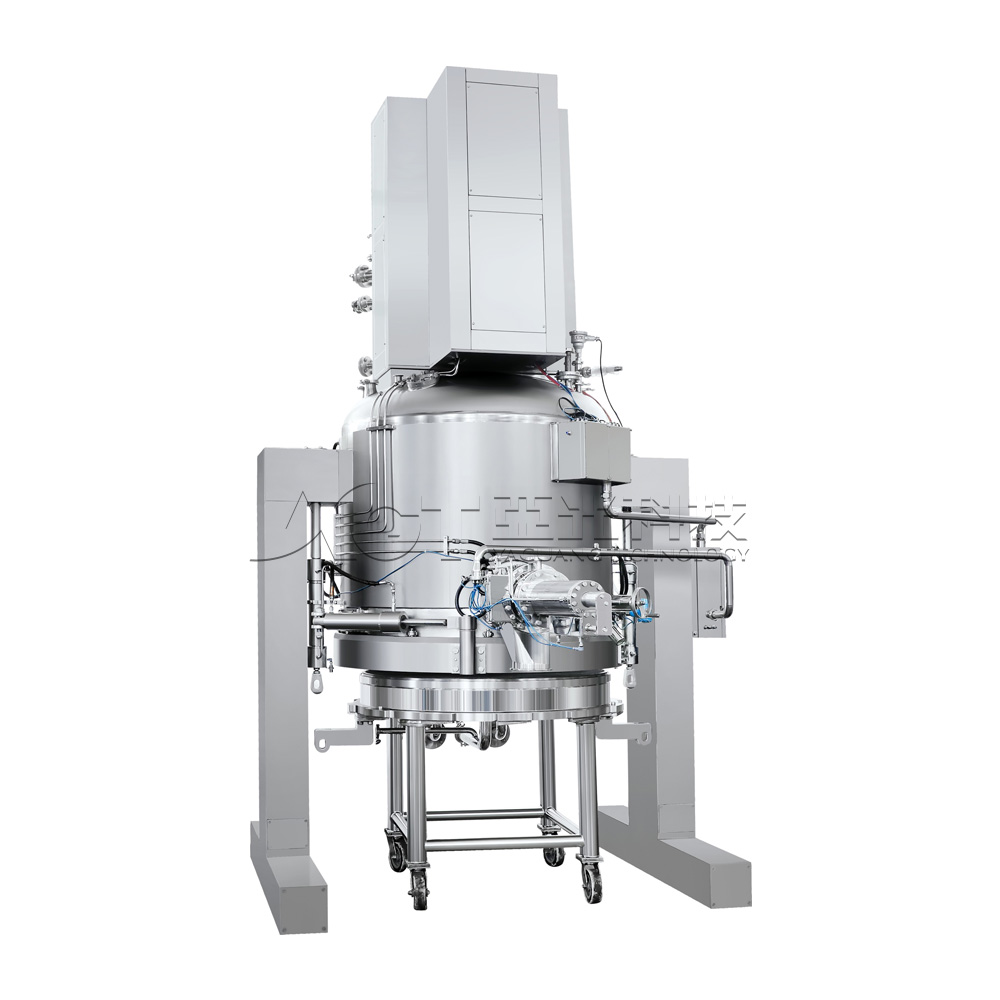
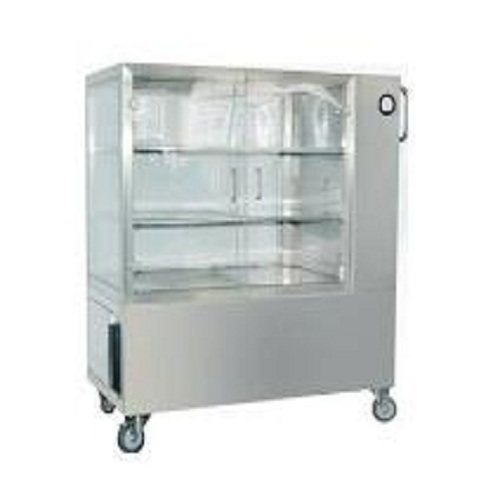
The pharmaceutical manufacturing relies on an international supply chain with two stages. The first stage involves API production and the second one involves combining these with other ingredients to make tablets, liquids, ointments, and other types of consumables. (3) Without APIs, it is not possible to create the end product, and today the API market is the biggest segment of the pharmaceutical market in general. (1) Indeed, API manufacturing Equipment and API Plant Eequipment are also becoming more and more important among all surgical supplies and instruments.
For more than 10 years, China holds a dominant position in the global API industry given its large scale manufacturing capabilities, cost efficiency and adequate availability of commodity bulk drugs and intermediates due to strong technological capability and fermentation. Moreover, China makes around 40% of all active ingredients worldwide and China and India together provide around 80% of all APIs in the U.S. (4.5) This percentage has been steadily growing in the past few years. India, on the other hand, is one of the biggest manufacturers of generic, off-brand drugs, and it, in turn, relies on China to provide the APIs. (6) Up to 80% of active ingredients used by Indian manufacturers come from China. (6) This reliance is not always clear to consumers. For instance, if a U.S. drug manufacturer acquires their API from China but assembles their pill on U.S. soil, they can claim that the finished product (pill) has a U.S: origin. Many medications, including some massively important ones like acetaminophen (7) (for which the U.S. is the number one market), mainly rely on Chinese ingredients with no or few alternatives, which means that if China is not able to provide the API, there are likely to be drug shortages. (5.6.8)
2020 is the most unusual year of our lives. The coronavirus (COVID-19) pandemic is spreading globally, which has had a significant impact on the pharmaceutical industry as a whole. It has disrupted normal activities and affected many organizations financially. APIs have a high manufacturing costs and require special equipment and chemicals, as well as extensive testing and investment in obtaining approval. They need specific raw ingredients that may be rare and expensive. This means that it is not very easy for companies to start manufacturing APIs and alter their whole supply chain.
The coronavirus pandemic is affecting every industry to some degree. In particular, it has affected the generics industry due to disruptions in regards to the coronavirus. As India is reliant on Chinese APIs, as is the U.S. (4), any disruptions threaten primarily the availability of generic drugs, a very important segment for many due to lower costs. The pandemic has exposed an existing problem - the manufacturing is so ce...

























 (All Rights Reserved)