

I. Introduction
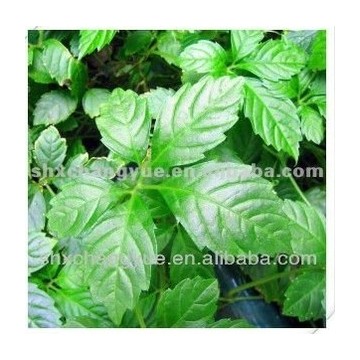
Berberine is a bioactive chemical derived from numerous plants such as Berberis species. (Neag, 2018) It has long been used in traditional medicine in civilizations as diverse as Chinese, Ayurvedic, and Native American. Berberine, known for its vibrant yellow color, has piqued the interest of both academics and physicians due to its outstanding pharmacological effects. (Ai, 2021) This article dives into the therapeutic potential and historic applications of berberine, researching its significance in modern medicine and its numerous health advantages.
II. Historical and Cultural Significance
Berberine's use in traditional medicine dates back millennia. (Neag, 2018) Berberine-rich herbs were given in traditional Chinese medicine to alleviate gastrointestinal issues, infections, and inflammation. (Zhu, 2022) Berberine is described as an antibacterial and detoxifying agent in Ayurvedic writings, and it has been used in Native American cultures to treat wounds and eye infections. (Mana, 2023) (Predny, 2005) Its widespread usage indicates an awareness of its broad medicinal potential that predates modern pharmacology.
III. Chemical Composition
Berberine is an isoquinoline alkaloid with a distinct molecular structure that explains its biological action. (Gao, 2020) Its principal mechanism of action is to interact with molecular targets such as AMP-activated protein kinase (AMPK), which controls cellular energy balance. (Ren, 2023) This interaction explains its vast variety of health advantages.
Berberine-rich plants frequently include other chemicals, such as flavonoids, tannins, and other alkaloids, that supplement its effects. (Belwal, 2020) These synergistic chemicals improve the antibacterial, anti-inflammatory, and antioxidant activities.
Berberine's flexibility as a therapeutic agent has resulted in its incorporation in a variety of forms, including capsules, tinctures, and powders, making it useful for a wide range of health uses. (Sharma, 2024)
IV. Metabolic Health Benefits
One of the most interesting areas of research into berberine is its effect on metabolic health. Clinical investigations have shown that it improves glucose metabolism, reduces insulin resistance, and lowers blood cholesterol levels. (Ye, 2021) (Xie, 2022)
Berberine's capacity to control blood sugar is largely dependent on its activation of AMPK. (Lee, 2006) Early clinical studies have shown that Berberine may be as beneficial as common drugs like metformin in the treatment of type 2 diabetes, with added advantages for cholesterol and triglycerides. (Yin, 2008)
These findings emphasize berberine's potential as a natural treatment for metabolic illnesses such diabetes, obesity, and dyslipidemia.
V. Antimicrobial Properties
Berberine is known for its broad-spectrum antibacterial properties. (Kosalec, 2022) It damages bacterial cell membranes, inhibits biofilm development, and prevents bacterial reproduction. (Wu, 2022) These qualities make it effective against a wide range of infections, including Helicobacter pylori, Escherichia coli, and Staphylococcus aureus. (Hu, 2020) (Li, 2023) (Wu, 2022)
Berberine-rich herbs have long been used in traditional medicine to treat gastrointestinal illnesses, and recent research backs up these claims. Berberine has been shown in studies to reduce pathogen-induced diarrhea while also maintaining gut microbiota balance, highlighting its dual role as an antibacterial and gut health booster. (Yang, 2023)
VI. Anti-Inflammatory and Antioxidant Effects
Berberine's anti-inflammatory and antioxidant activities have been thoroughly investigated. It regulates inflammatory pathways by limiting the generation of pro-inflammatory cytokines and decreasing oxidative stress by scavenging free radicals. (Tian, 2023)
These benefits are especially useful for treating chronic inflammatory illnesses such rheumatoid arthritis, inflammatory bowel disease, and neurological disorders. Emerging research also suggests that berberine has the ability to reduce age-related oxidative damage, making it an intriguing option for healthy aging. (Gasmi, 2024)
VII. Cardiovascular Health
The cardiovascular benefits of berberine are significant. Studies ...
























 (All Rights Reserved)