
In a head-to-head diet-induced obese (DIO) mouse study, ASC47 low dose combination 1 (ASC47, 3 mg/kg, subcutaneous (SQ), once every four weeks plus semaglutide, 30 nmol/kg, SQ, once daily), demonstrated superior weight loss compared to semaglutide monotherapy (30 nmol/kg, SQ, once daily), showing an average total body weight reduction of 36.2% compared to 23.1%, a 56.7% greater reduction in body weight compared to semaglutide monotherapy.
Human equivalent dose of ASC47 low dose 1 (3 mg/kg, SQ, once every four weeks) in mice is estimated to be approximately 20 mg based on the body surface area conversion. Interim data from a Phase I single ascending dose (SAD) study in Australia in subjects with elevated low-density lipoprotein cholesterol (LDL-C) showed that ASC47, via SQ injection, demonstrated a good tolerability profile up to 90 mg. The Australian SAD study is still ongoing with higher doses of ASC47.
ASC47 low dose combinations with semaglutide restored the body composition of obese mice to the level of healthy non-obese mice. At the end of treatment, the percentage of total muscle mass over the total body weight of obese mice treated with ASC47 low dose combination treatments (68.8%) was similar to healthy non-obese mice (66.0%), indicating healthy weight loss. Semaglutide monotherapy was unable to restore body composition to healthy levels.
ASC47 low dose combination treatments were well tolerated in obese mice and exhibited a statistically significant reduction in levels of liver enzymes such as alanine aminotransferase (ALT) compared to vehicle treatment in obese mice.
Ascletis Pharma Inc. (HKEX:1672, "Ascletis") announces encouraging efficacy results from its study in diet-induced obese (DIO) mice combining ASC47, a first-in-class muscle-preserving weight loss drug candidate for the treatment of obesity, with semaglutide.
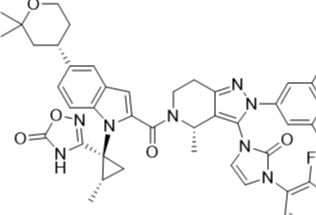
ASC47 is an adipose-targeted, once-monthly subcutaneously (SQ) injected thyroid hormone receptor beta (THRβ) selective small molecule agonist, discovered and developed in-house at Ascletis. ASC47 possesses unique and differentiated properties to enable adipose targeting, resulting in dose-dependent high drug concentrations in the adipose tissue.
Interim data from a Phase I single ascending dose (SAD) study in Australia in subjects with elevated low-density lipoprotein cholesterol (LDL-C) (NCT06427590) showed that ASC47, via SQ injection, demonstrated a half-life of 21 days. Further, ASC47 demonstrated a good tolerability profile up to 90 mg with no serious adverse events (SAEs) and no discontinuations due to adverse events (AEs). The majority of AEs were mild (grade 1). There were no gastrointestinal or cardiac AEs reported, as well as no abnormal liver enzymes reported (Link). The Australian SAD study is still ongoing with higher doses of ASC47.
In previous preclinical studies, ASC47 regular dose (45 mg/kg, SQ, once every two weeks) monotherapy demonstrated total body weight reduction of 24.6%, similar to semaglutide monotherapy (23.1%, 30 nmol/kg, SQ, once daily). ASC47 regular dose increased total muscle mass by 5.8%, compared to a decline in total muscle mass of 9.3 % for semaglutide (Link).
Detailed Preclinical Data of ASC47 Low Dose Combinations
The objective of the head-to-head ASC47 low dose combination DIO mouse study was to compare ASC47 low doses (3 mg/kg or 9 mg/kg) and low frequency (SQ, once every four weeks) combined with semaglutide (30 nmol/kg, SQ, once daily) against semaglutide monotherapy (30 nmol/kg, SQ, once daily). ASC47 low dose combination 1 (ASC47, 3 mg/kg, SQ, once every four weeks plus semaglutide, 30 nmol/kg, SQ, once daily) treatment was superior to semaglutide monotherapy (30 nmol/kg, SQ, once daily), showing an average total body weight reduction of 36.2% compared to 23.1%, achieving 56.7% more relative weight loss compared to semaglutide monotherapy (Table 1).
Table 1. ASC47 low dose combination treatments demonstrated superior weight loss to semaglutide monotherapy

























 (All Rights Reserved)