

COVID-19 rapidly transformed into a global challenge, costing thousands of lives, overwhelming healthcare systems, and threatening the economy all around the globe. In this worldwide health crisis, the medical industry requires new technologies like Artificial Intelligence (AI), to monitor, control and look ahead against the spread of COVID-19 pandemic, which has become a powerful tool for diagnostic test designs and vaccination development.
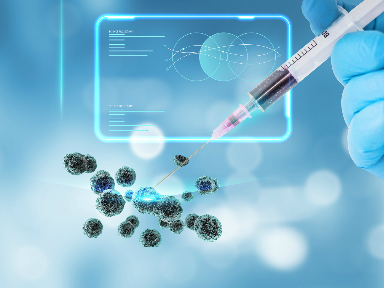
Currently, COVID-19 vaccine has been heralded as a big achievement, several vaccines against COVID-19 have been developed by Moderna, Pfizer and Johnson & Johnson within a year at unprecedented speed, and inoculation programs, together with improving patient treatments and regular testing, point to a way out of this pandemic. But, the work is far from done at the moment. Better and more vaccines may be required to combat the pandemic and provide a better return to normalcy. For these purposes, artificial intelligence has been quite promising and may be one of the best tools to weather the pandemic.
In regards to vaccine development, there are already options for AI programs, which can be used to analyze data and create better and better results the more data the AI receives through machine learning programs. It can predict mortality risk by adequately analyzing the previous data of the patients. AI can easily track the spread of COVID-19 virus, identifies high-risk patients, and is useful in controlling this infection in real-time, which provides opportunities for developing and improving new medications and vaccines at a much faster rate than usual.
In recent years, AI, in general, is becoming a popular tool in the biological pharma industry, not just in the case of COVID specifically. It has been able to support drug development, saving time and money in the process. AI can analyze tons of data in moments and assist in decision-making, determine the therapy a patient might need, manage clinical data, choose the right active ingredients, and propose alternatives among existing drugs. (1) A centralized collection of worldwide COVID-19 patient data will be beneficial for future artificial intelligence and machine learning research to develop predictive, diagnostic, and therapeutic strategies against COVID-19 and similar pandemics in future.
There have been new applications of AI in COVID-19 pandemic. DeepVacPred is one program that was developed by the Southern California Viterbi School of Engineering and was focused specifically on SARS-CoV-2.(2) The AI can realize various vaccine design cycles in minutes and was able to eliminate 95% of the candidate compounds when normally these could take years. It can work to stay ahead do the virus as it mutates.
The current vaccines have a proven effectiveness against a specific type of COVID-19, but the virus can mutate and change, so that a new vaccination will be needed. This point is very important. By using an AI, it is possible to ensure that the vaccines that are developed can tackle the new RNA mutations of the virus. (3) This is not something human researchers can do quickly, but the DeepVacPred might be able to. This can help ensure that the world is ahead of the coronavirus and not responding to it, as happened at the start of the pandemic.
Specifically, in the case of DeepVacPred, the method has yielded 26 potential vaccines against the coronavirus, and scientists selected the best 11 to start working on a multi-epitope vaccine, which can attack the spike proteins that the coronavirus uses to bind and penetrate a host cell. The dataset involved around 700 thousand different proteins. (4)
AI has also been utilized and proposed as a tool to facilitate vaccine distribution. At the moment, the challenge is pretty complex, as populations around the globe need to receive vaccines according to priority, with more vulnerable populations coming first, and with special care being taken to avoid eth...



























 (All Rights Reserved)