

2020 has been a challenging year across the globe. SARS-CoV-2, the virus that causes COVID-19 and is believed to originate from bats, quickly spread into a global pandemic. During this outbreak of COVID-19, the world is frightened with an unpredictable and hasty impact of the infection, and the data is changing day by day. As of December 29, 2020, almost a year later, the coronavirus COVID-19 is affecting 218 countries and territories around the world with over 79,931,215 confirmed cases, including 1,765,265 deaths, according to WHO. (1)
The most common clinical features of COVID-19 infection are fever (more than 80% cases), cough (more than 60% cases), fatigue (more than 35% cases), sputum production (more than 30% cases), and shortness of breath (more than 15% cases). Respiratory distress syndrome, septic shock, metabolic acidosis, coagulation dysfunction, and multiple organ failure are noted as the main complications of COVID-19. (2)
COVID-19 took the world by storm, requiring an unprecedented response from governments and healthcare institutions from across the world. It became an international threat, leading many pharmaceutical companies, organizations, and laboratories to begin studying it to understand this virus and treat it successfully. With both good and bad developments, the pandemic has prompted the development of fast diagnostic tools and treatment options.
R/D Progress for COVID-19 in 2020
2020 saw major bio pharmaceuticals companies, like Pfizer, direct their efforts at understanding the virus and creating the tools to manage it. Specifically, research has addressed diagnostics, treatments, drug repurposing, vaccination, and protection measures against the disease. The progress and the rate of said progress have been amazing, much faster than expected, especially in regards to the vaccine. Usually, successful development of a new vaccine requires years of research and testing before reaching the clinic, but in this pandemic crisis of COVID-19, scientists embarked on a race to produce safe and effective coronavirus vaccines in record time. As per the available data, scientists are currently testing 64 vaccines in clinical trials on humans, and 19 have reached the final stages of testing. At least 85 preclinical vaccines are under active investigation in animals. (3)
COVID-19 Diagnostic Progress in 2020
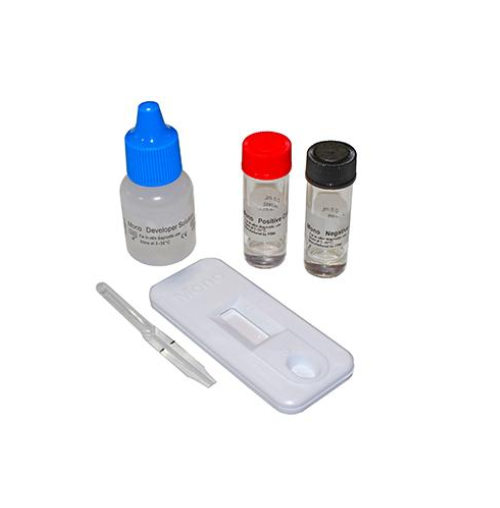
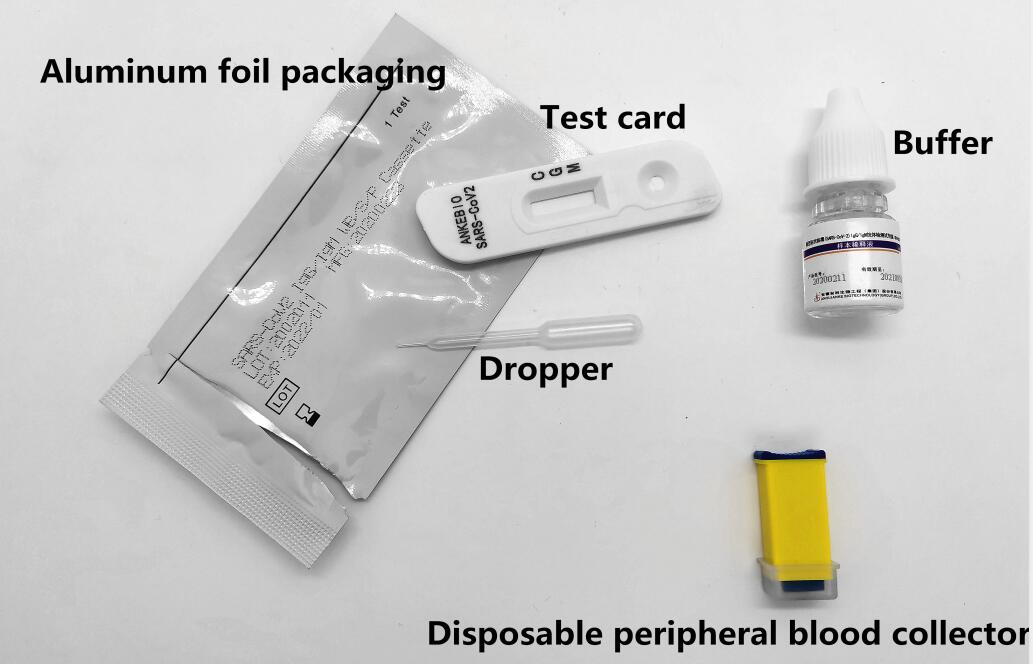
In order to control COVID-19, various emerging technologies have been implemented to confirm its presence by the pharmaceutical and biotech industries and organizations.
One of the first issues was developing a quick diagnostic tool for the COVID-19. Currently, the most common diagnostic tools were the real-time reverse transcription-polymerase chain reaction (RT-PCR). RT-PCR method was based on detection of genes that are unique to SARS- CoV-2. (4) This was managed rather quickly for the diagnosis of COVID-19.
In addition, infrared (IR) sensors and thermal scanning have been used as diagnostic auxiliaries. Thermal cameras allow detection of increase temperature and can monitor individuals and crowds or large gatherings who may present symptoms.
Another diagnostic option is the Nucleic Acid Amplification test or NAAT, which can confirm COVID-19 through a nasal swab or a blood sample in real-time. However, it can be associated with false negatives due to limited sensitivity. (5)
Now, tests have become more available, and across the world individuals with symptoms can access one with a good general degree of accuracy. Testing has been an important part of the strategy for containing the virus, however, the problem with false negatives has not been fully resolved. (6)
COVID-19 Treatment Progress in 2020
Medical science has progressed very quickly, even faster than expected during the COVID-19 pandemic. Effective therapeutics include antiviral drugs (Remdesivir and Favilavir), the protease inhibitors (Lopinavir/ritonavir (LPV/RTV), cytokine inhibitors (IL-6 inhibitors, such as Tocilizumab), monoclonal antibodies (Leronlimab, the CCR5/chemokine receptor 5 inhibitor), convalescent plasma and corticosteroids (corticosteroids should only be used in COVID-19 induced lung injury in the setting of a clinical trial). (7) These medications have shown promising resul...



























 (All Rights Reserved)